SpiderIQ Journal
Your leads do not have to come from us
SpiderIQ is two products in one: something that finds businesses, and something that turns a row into a lead you can sell to. The second half does not care where the lead came from.

Your leads do not have to come from us.
That sounds like a strange thing to put on our own blog. It is the most useful thing I can tell you.
SpiderIQ is two products wearing one name. The first finds businesses. The second turns a name and a website into something you can actually sell to. Most people meet the first half and assume that is the whole thing. It is the second half that does the work.
And the second half does not care where the lead came from.
You already have leads
Almost everyone does. A list you bought. An export from a tool you are leaving. A conference badge scan. A spreadsheet a colleague keeps in their downloads folder. Rows and rows of company names, and maybe a website, and maybe an email that bounced four months ago.
That list is not useless. It is unfinished.
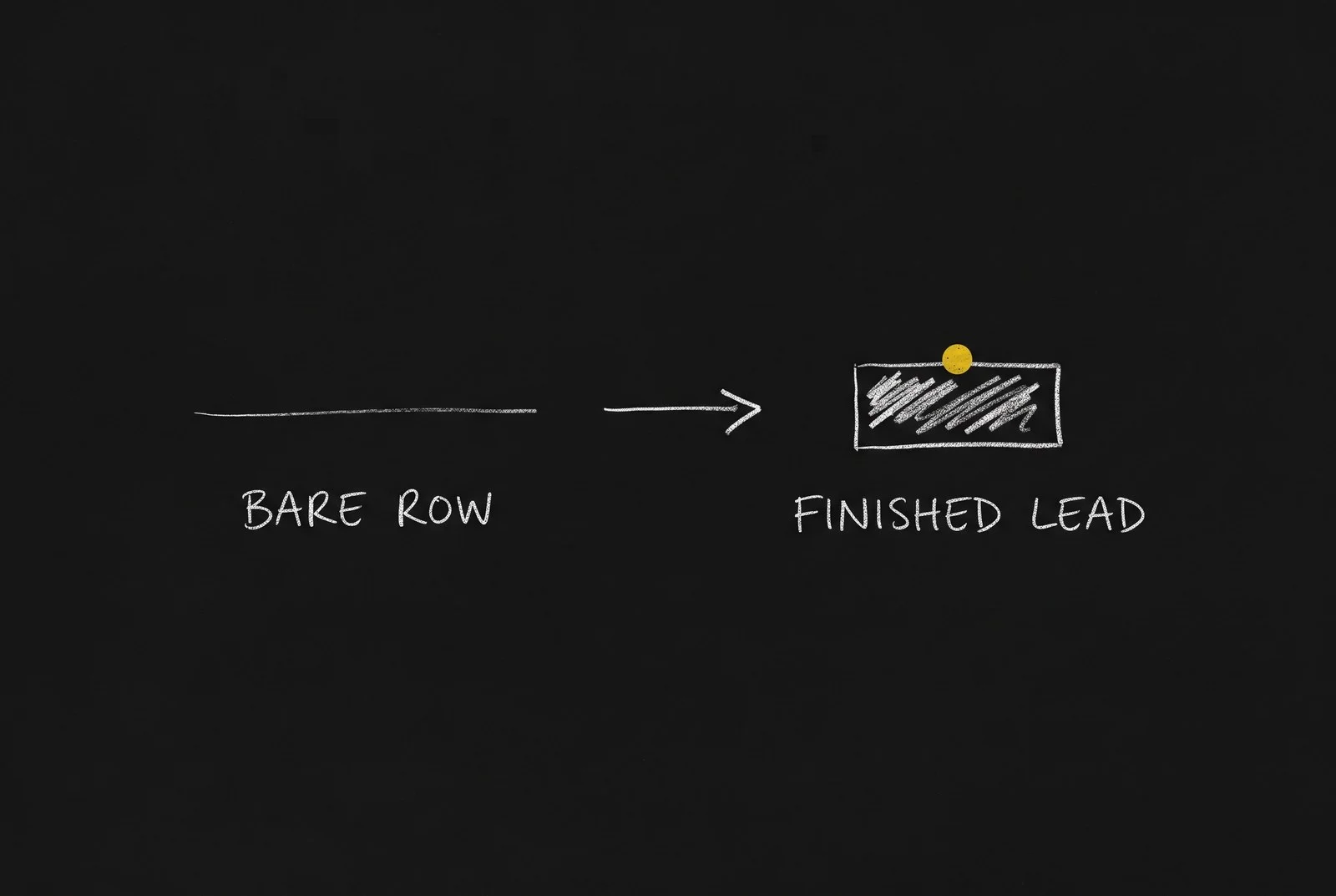
There are plenty of places to buy raw business records. If you already have rows, buying them again is not the answer. What you need is everything that turns a row into a conversation.
What enrichment actually means here
Hand SpiderIQ a lead and it goes to work on it. Not once. In stages.
It reads the website. Give it a URL and it crawls the site, pulls the emails, the phone numbers and the social links, and comes back with what is actually published rather than what a database remembers.
It verifies every email. An address that exists is not the same as an address that receives. Verification checks deliverability before the address is stored, so you find out now instead of finding out from your bounce rate.
It recovers what is missing. A business with a Facebook page and no website is not a dead end. Social enrichment reads the public profiles and pulls back the email, the phone or the real site the listing never had.
It reads people, not just companies. A LinkedIn URL comes back as a profile. A company name comes back as an account brief: the domain, the registry filing, the team, the verified addresses.
Then it thinks about what it found. This is the part I like most. The enriched lead goes through a language model that reads the site and writes the analysis: what this company does, who they sell to, where you fit. You get a paragraph a human would write, on every row, without a human writing it.
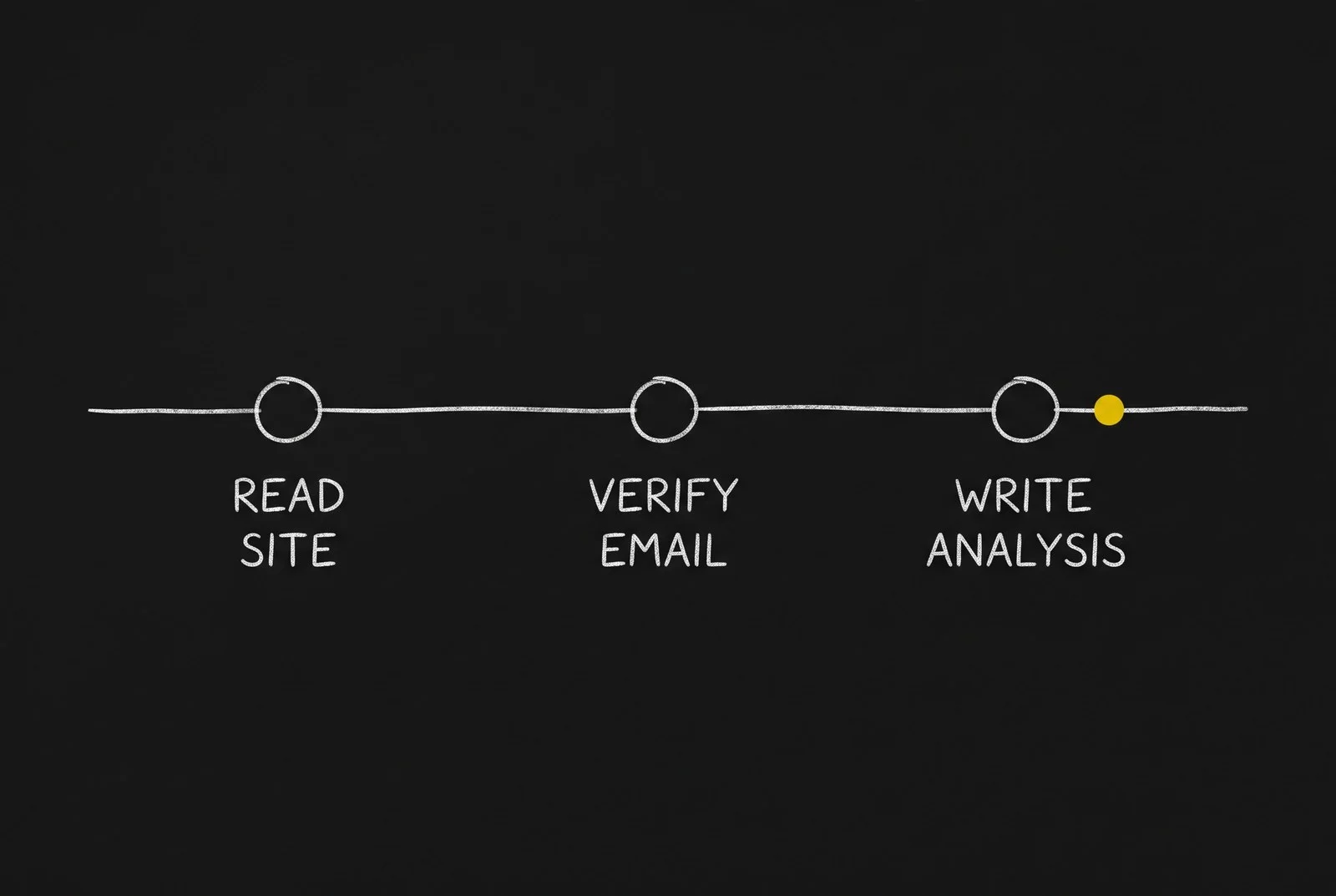
That is the difference between a list and a pipeline. A list tells you a company exists. A pipeline tells you why to call them.
Both worlds
Here is the shape of it. You bring leads from wherever you like. They land in your SpiderIQ CRM alongside the ones we found. Every one of them, whatever door it came through, gets the same treatment: read, verified, recovered, analysed.
You do not have to choose a side. You do not have to abandon a source you are happy with, and you do not have to accept a raw row as finished work.
Open by construction, not by promise
Any company can say it is open. Here is what it means in our code, which is a more honest place to look.
A lead source in SpiderIQ is an adapter behind a five-method contract: submit, poll, fetch, parse, usage. That is the entire surface. Registering a new source is one line, and nothing downstream changes. There is a test in the suite whose whole job is to assert exactly that: a newly registered source becomes available with no other code change.

The enrichment chain never learns where a lead came from. The website crawler does not know. The email verifier does not know. Your CRM does not know. The result comes back in the same shape either way, which means every export, every filter and every report you already built keeps working.
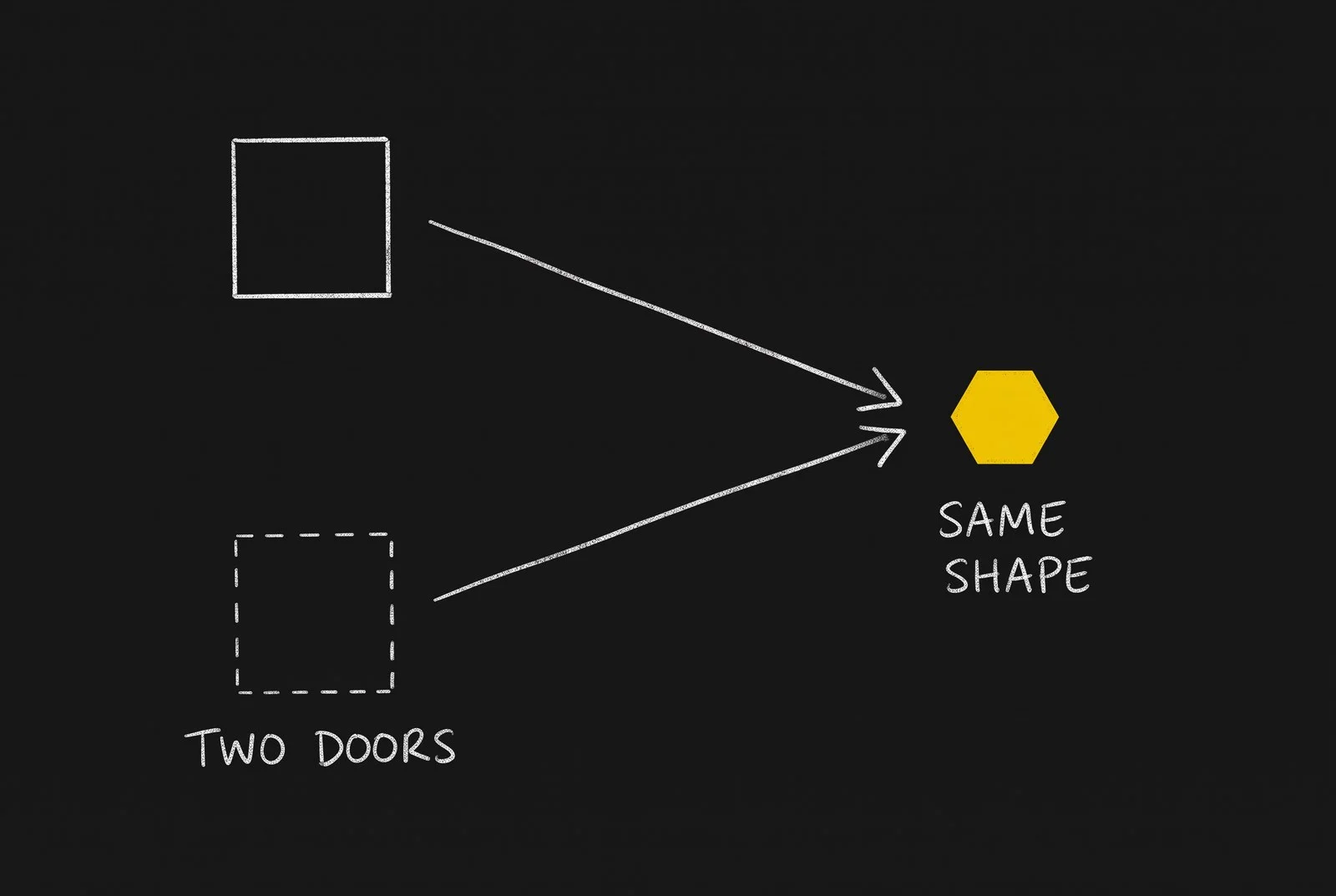
That is what open looks like when it is structural. Not a promise about the roadmap. A seam that is already there.
Where we are honest
When this post first went up, one source was wired and it read Google Maps. The others were seams, not switches, and I would rather have written that sentence than let you discover it. That is no longer where we are. All four are live now, and the section below says what they are.
Deduplication runs across everything inside a single run, on an exact key: the map place id first, then the website domain, then the phone, then the name and town together. Across two separate runs it does not deduplicate. A business you pulled last week can arrive again this week.
And enrichment is not free. Every stage you turn on is work someone pays for. That is why the confirmation screen does the arithmetic out loud before anything runs, and why a run that gets refused costs nothing at all.
What changed since I wrote this
Updated 13 August 2026.
Two of the four sources buy Google Maps records: Outscraper, and Apify, which is priced per record, so the confirmation screen can show you a real figure rather than only a record count.
The other two are what this post was actually about. CSV upload and JSON upload take a file you already have and run every row through the same chain. Nothing is bought at the source, so the confirmation screen stops doing purchase arithmetic and starts doing enrichment arithmetic: leads times the stages you switched on.
A spreadsheet can carry any headers, so we do not guess at them. We propose a mapping for the columns we recognise, you confirm or correct it, and the run stays blocked until at least one column identifies the business. There is deliberately no column you can map onto an email address. Contact data is something the pipeline produces, never something the file supplies.
Start with one
You do not need a migration plan. Take one lead you already have, hand us the website, and look at what comes back.
If the answer is more than you had, bring the rest.

Martin Shein
Build With SpiderIQ
Explore the API docs or keep reading the field notes from the SpiderIQ team.